Featured

Introducing the Plantain

Atlanta Plantain Crawl

Food is very representative of a city’s culture. In order to really get to know a place and the people, you’ve got to eat the food.

— Emeril Lagasse.

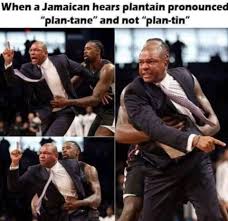
Culturally Delicious is a blog that will combine culture with history, through restaurants in Atlanta. The first few blogs will cover plantains. The great and culturally diverse city of Atlanta has much to contribute to my blog. Many connections can be made from such diversity in one city. When you think about it, plantains are a part of a lot of cultures. North America, South America, the Caribbbean islands, and Asia. In Caribbean and African culture there are debates about the pronunciation of the fruit. Is it plantain or plantin?
In Spanish speaking countries tostones, platanos, and platanos maduros are worth debating the differences. They’re all dishes from the same fruit but their differences come from how they’re prepared.
Every culture cuts their plantains differently too. I have not tried thick chunky plantains and I doubt that they will taste better than slimmer, diagonally sliced plantains.

Atlanta is home to places like Mangos Caribbean Grill, Buenos Dias Cafe, Senegambia Restaurant, Waikikie Hawaiian BBQ , and much more that I will include in my crawl. Along with learning how each dish is made, I want to include the history of the dishes. Hopefully I can put some of the debates to rest and give y’all REAL ANSWERS lol. I hope you guys will enjoy my plantain crawl as much as I enjoyed making it. Eating and learning going hand and hand. I’m just getting this new blog going, so stay tuned for more. Subscribe below to get notified when I post new updates.

Pata… Que??

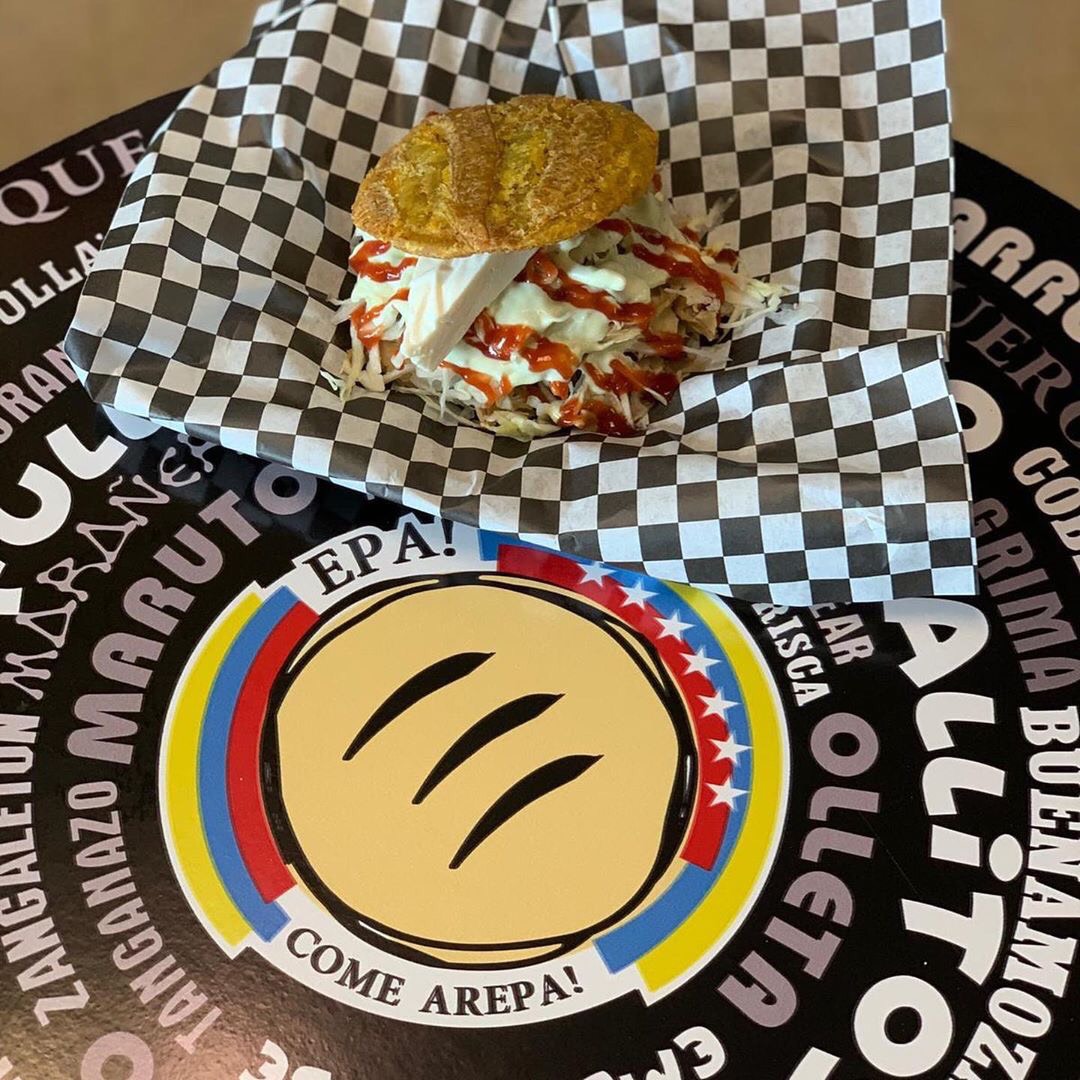
You’re probably wondering “What is a patacón”? Well let me tell you. Patacón is literally THEE best sandwich I have ever had in my life. It is a sandwich made with shredded chicken, secret sauces, shredded lettuce, cheese, and of course platano maduro.

According to an article, Colombia: Patacones (Tostones) on 196flavors.com, written by Mike Benayoun, “The origin of the word patacones seems to either come from the Spanish word for “toast” or from the currency of the same name dating from the time of Great Colombia in the first half of the eighteenth century. The patacón is, originally, the name of several different currencies used in different countries at different times”.

source: giphy.com

I know I know. What does a coin have to do with toast? Sweetie, where’s the correlation? Let me tell you.

Benayoun also writes, “The origin of the word patacón comes from the Arabic batakká, and it is the name of many coins used by the Arabs in the Middle Ages. This word is at the origin of the Italian word patácca, which at the time designated money from Muslim countries and then a “currency of little value” to take the meaning of “counterfeit currency”. In modern Italian, this word means “fraud”. In Portuguese, the word pataca was used to refer specifically to certain currencies of former colonies, such as Macao. Finally, the name patácca became patacón, name that gave birth to the first Colombian coin. The patacón was the first currency used in Colombia, in Cúcuta. It is thought that because of its rigid and almost round appearance, the famous patacones bears the same name as the coin”.

source: tenor.com

Ok so I hope you understand the history of the word patacón. If your experience is like mine, and you had no idea such a sandwich existed, then you should be all caught up. Moving on to the restaurant, price and taste.

Source: EPA Come Arepa’s Instagram page

Epa! Come Arepa! is a Venezuelan Restaurant that is located on 2870 Peachtree Industrial Blvd, in Duluth, GA. It is a fairly small space that is super colorful and lively. When you walk in you feel like you just walked into a mini family reunion. The best positive vibes live there. Their menu looks super good. They serve food varying from arepas (sandwiches) to chicken wings. I ordered patacón (with yellow plantain), with half chicken and half beef. My total with tax was $8.55. Of course, card payment was accepted for my purchase. It took about 10 to 12 minutes for my food to be ready. You definitely get your money’s worth with this sandwich. The plantains were sweet, moist, and soft. They paired well with the cheese, meat, and sauce. The crisp and crunch of the lettuce added a refreshing element to the sandwich. I promise if you eat this by itself without any drink, you will get full. Thanks for following my plantain crawl. Come back next week to see what places I explore next. Take this fun Buzzfeed quiz to see what Latin American food you are based on your personality!

souce: streamlabs.com

Tostones vs. Cotija

Source: dribble.com

Ahhhh my two favorites. Tacos…

source: pittsburghnommers.wordpress.com

Unfortunately there were no drinks this time. My third and fourth stops of the day were brought to you by cotijas and tostones. First of all, I have never had either of these foods before so I was super excited. Before I talk about the foods and the restaurants, lets talk about the history. Let me educate you so you can further appreciate the food.

souce: buzzfeed

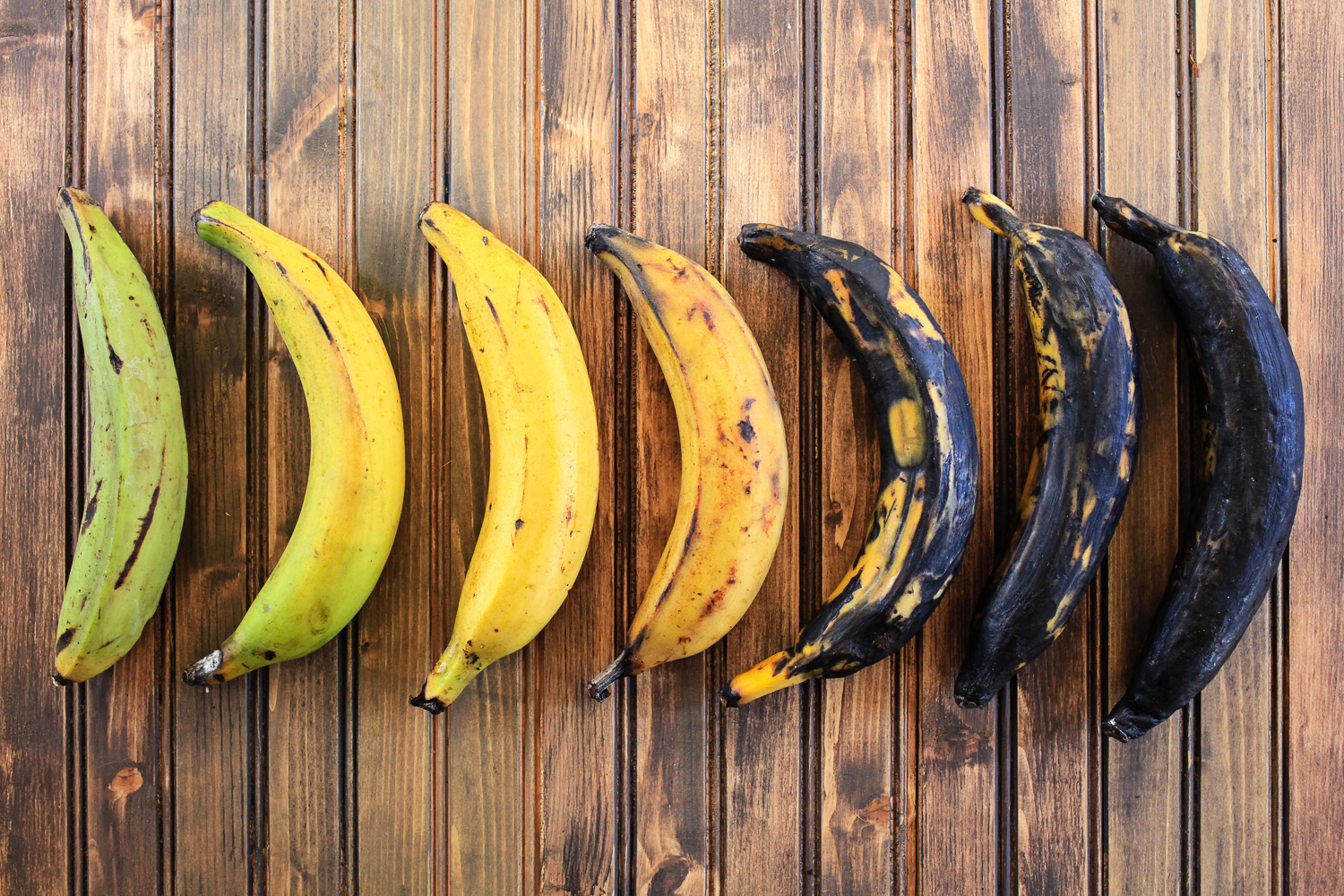
In an article titled, The Global Chef: A Taste of the Caribbean, can be found on record-eagle.com. It was written by local columnist, Nancy Krcek Allen. She gives a very in-depth description of the platano classification. From her list we need to focus on platano verde and platano maduro. According to Allen’s article, ” Green plantain (platano verde) has a tough skin and is starchy and bland, similar to a potato. When the skin is bright green and firm, use plantains for tostones, plantain chips, mashed plantains and soup. To peel green plantains, remove the ends and make a lengthwise slit through the peel with a knife before you strip off the peel with your hands and slice the fruit”. She then describes platano maduro, ” Fully ripe plantain (platano maduro), has a banana aroma and is almost banana sweet with dark yellow to brown skin. The tips turn black and the fruit feels tender. Use platanos maduros to prepare fried sweet plantains, a fried plantain omelet or or boil, mash and form deep-fried plantain balls”.

source: thepioneerwoman.com

COTIIJJJJAAAA… is actually a type of cheese, but on the Tacos & Tequilas menu, it’s the name of this side. Tacos and Tequilas is a Mexican restaurant located on 650 Ponce de Leon Ave NE, in Atlanta, GA.

I promise it was waaayyy better than it looks. I paid $4.90 with tax for this. This place was the only restaurant that would let you use a card for purchases under $6. Cotija is a dish that is made by slicing and frying platano maduro, then sprinkling it with cotija cheese. Out of all the sliced and fried plantains I had, this was the best. It had the right amount of sweet and savory flavors. While the texture was soft and a little mushy, the outer parts were crispy. The cotija crumbles go perfectly with the plantains.

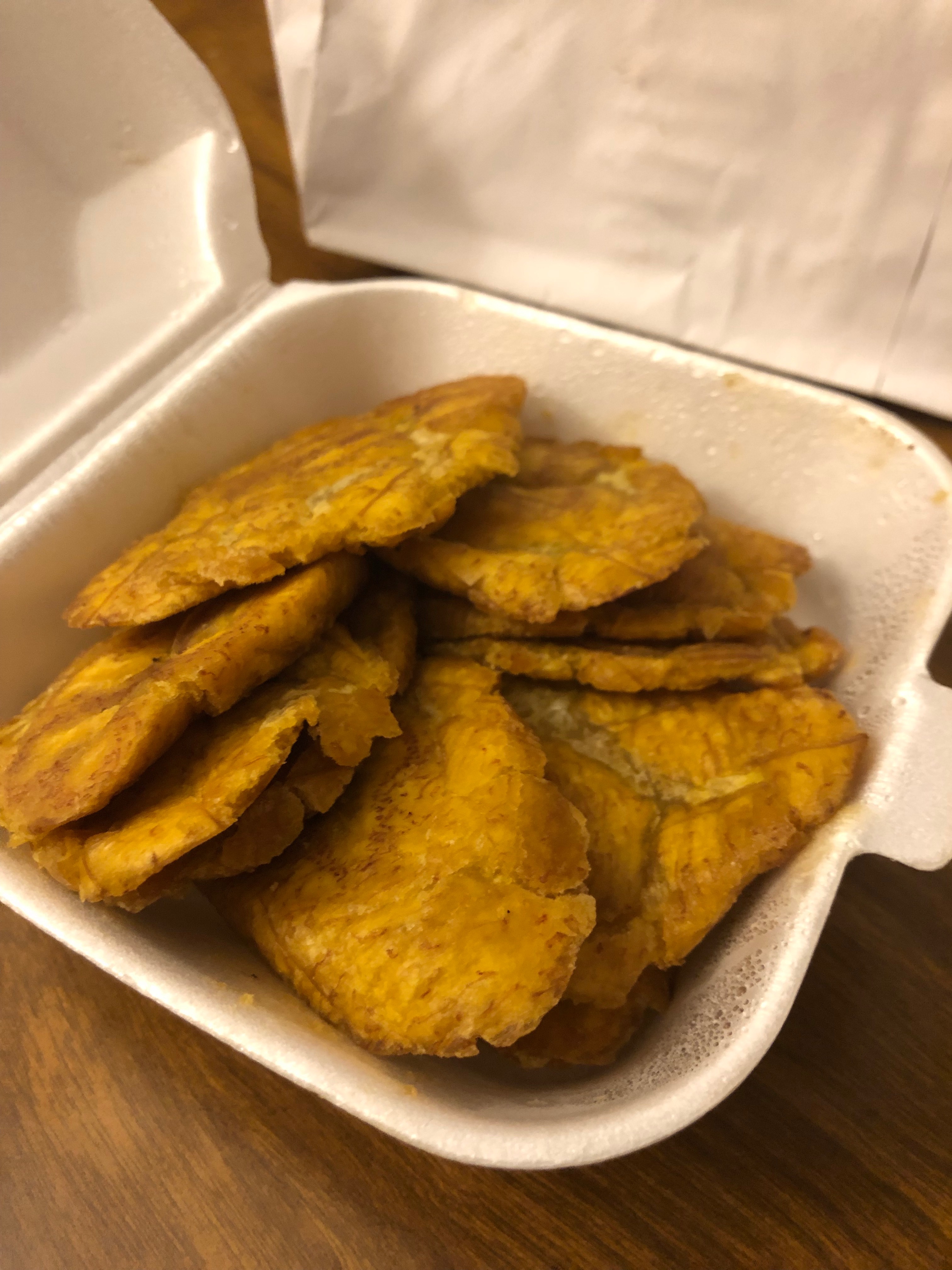
I drove to a Dominican restaurant right behind Plaza Fiesta. Sabor Dominicano is located on 4186 Buford Highway NE, in Atlanta, GA. I ordered a side of tostones, which costs $2.50 without tax. Allen’s article states that tostones are, “sliced green plantains, fried, smashed, and fried again”. This dish was made from a green plantain or platano verde. I wasn’t sure what to expect when I took my first bite. It tasted like a potato, well more specifically like a french fry. It was ok, it could’ve been great if it had seasoning. I would definitely recommend adding some salt, cheese, and valentina hot sauce. I’ll leave a video or two below for the ones who want to make this at home.

Dodo vs. Fried Plantain

Atlanta is a city with a diverse population. Both inside and outside the metro-Atlanta parameters, you can find individual communities for the diverse cultures. In the Duluth and Norcross area, it is predominantly Hispanic. In Suwannee, Lawrenceville, and Alpharetta you can find many Asian, Indian, and Middle Eastern families. In the Atlanta, Lithonia, and Stone Mountain areas you will find that it is home to many Caribbean and African communities. These communities may differ uniquely from their own customs and cultures, but they can be brought together by one single plant.

source: giphy.com/spongebob

Plantains are staples in many dishes for ALL of the communities. Plantains can be fried, baked, or boiled. Depending on how it is prepared, the plantain can take on many names. In some African countries, fried plantain is called dodo. In Afro-Caribbean islands, it is called plantain. In Spanish- speaking countries, it can have a variety of names. It ranges from platano maduro, tostone, cotija, patacon, and more. In the next few blog posts, I’ll be making my way downtown to educate you all on the differences, show yall some sweet spots to visit for some authentic flavor, and most of all inspire the inner foodie that lives within us all.

source: Wifflegif.com

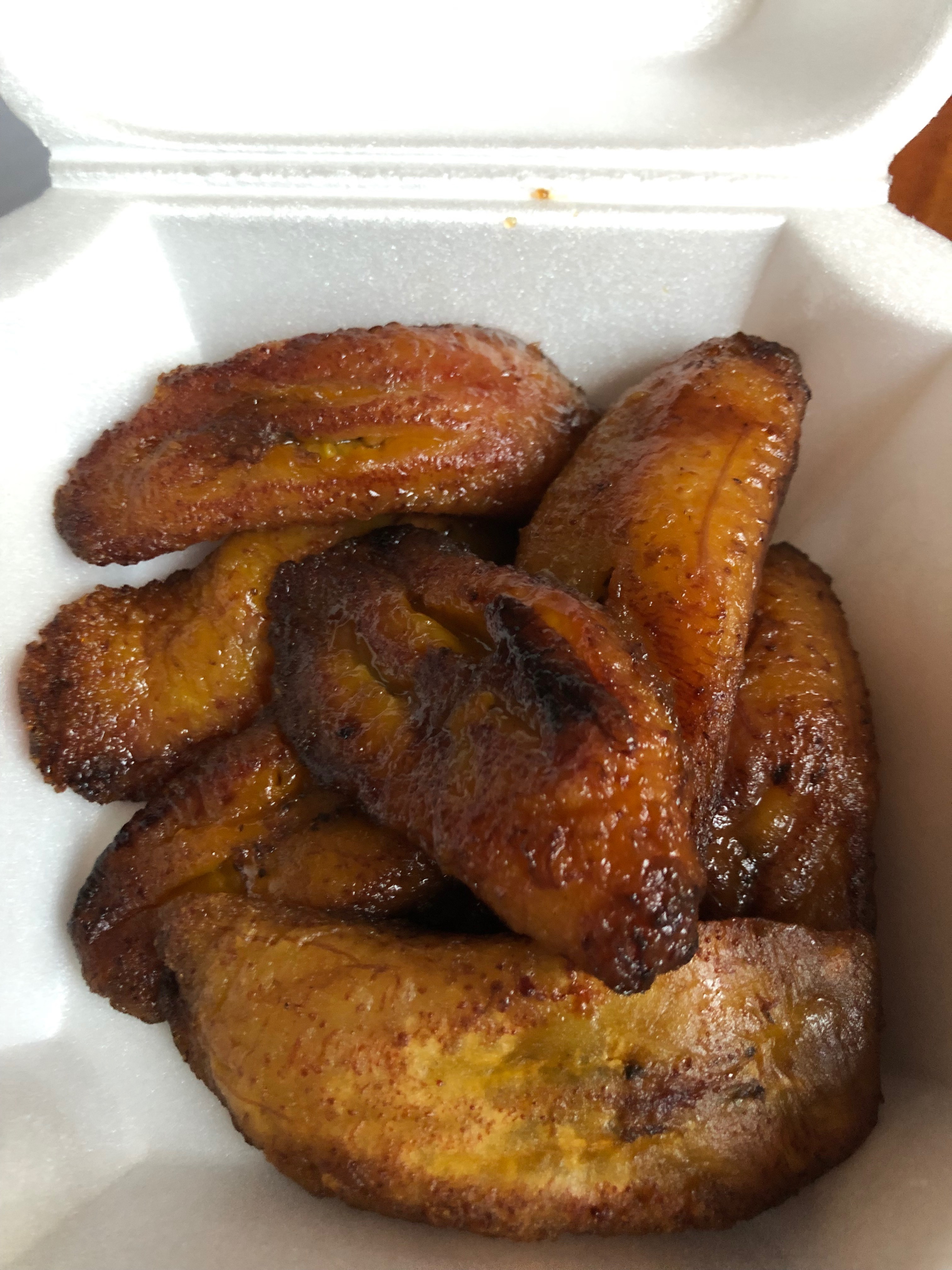
The first stop was a Jamaican restaurant that can be found right here on Georgia State’s campus. I visited Mangos Caribbean Restaurant which is located on 180 Auburn Avenue NE. This place serves one of THEE BEST sweet fried plantains. I went around lunch time, so the line was pretty long. A side order of plantains costs $4. Unfortunately I could not use a debit card unless my purchase is over $6.

Plantains from Mangos

The taste was very sweet and had a mushy texture to it. Some people may think that plantains should have a hard texture of they were fried. I would definitely rate this as comfort food. It makes you feel happy when you eat it. According to an article titled History of Plantain, from africanfoods.co.uk, the fruit was first introduced to the Caribbean city of Santo Domingo by a Portuguese Franciscan Monk in 1516. The article also states, “Plantain found its way into Madagascar from Malaysia and India through trading Asian merchants and by Arabs during the Trans-Saharan trade boom”.

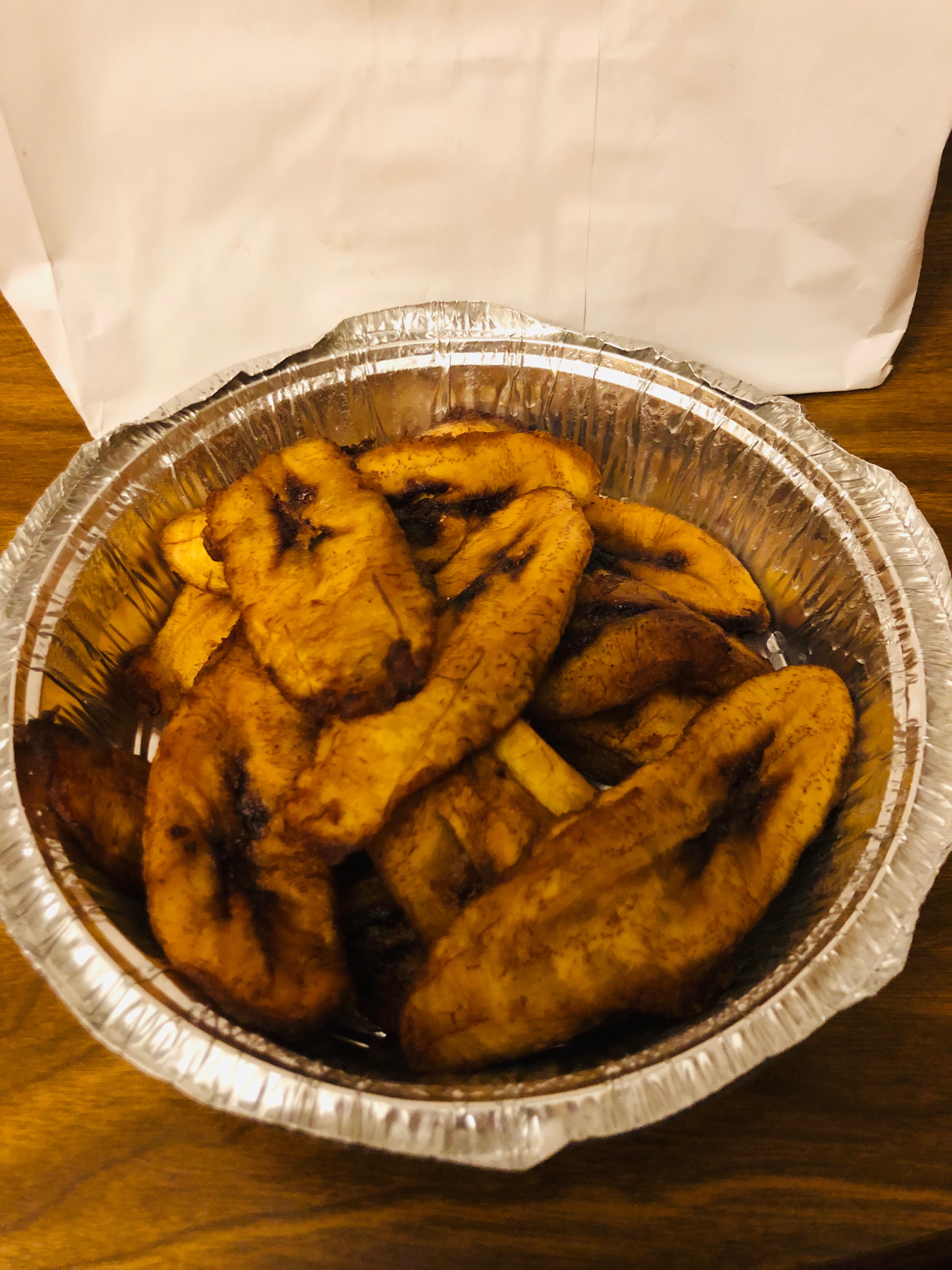
From The African Grill

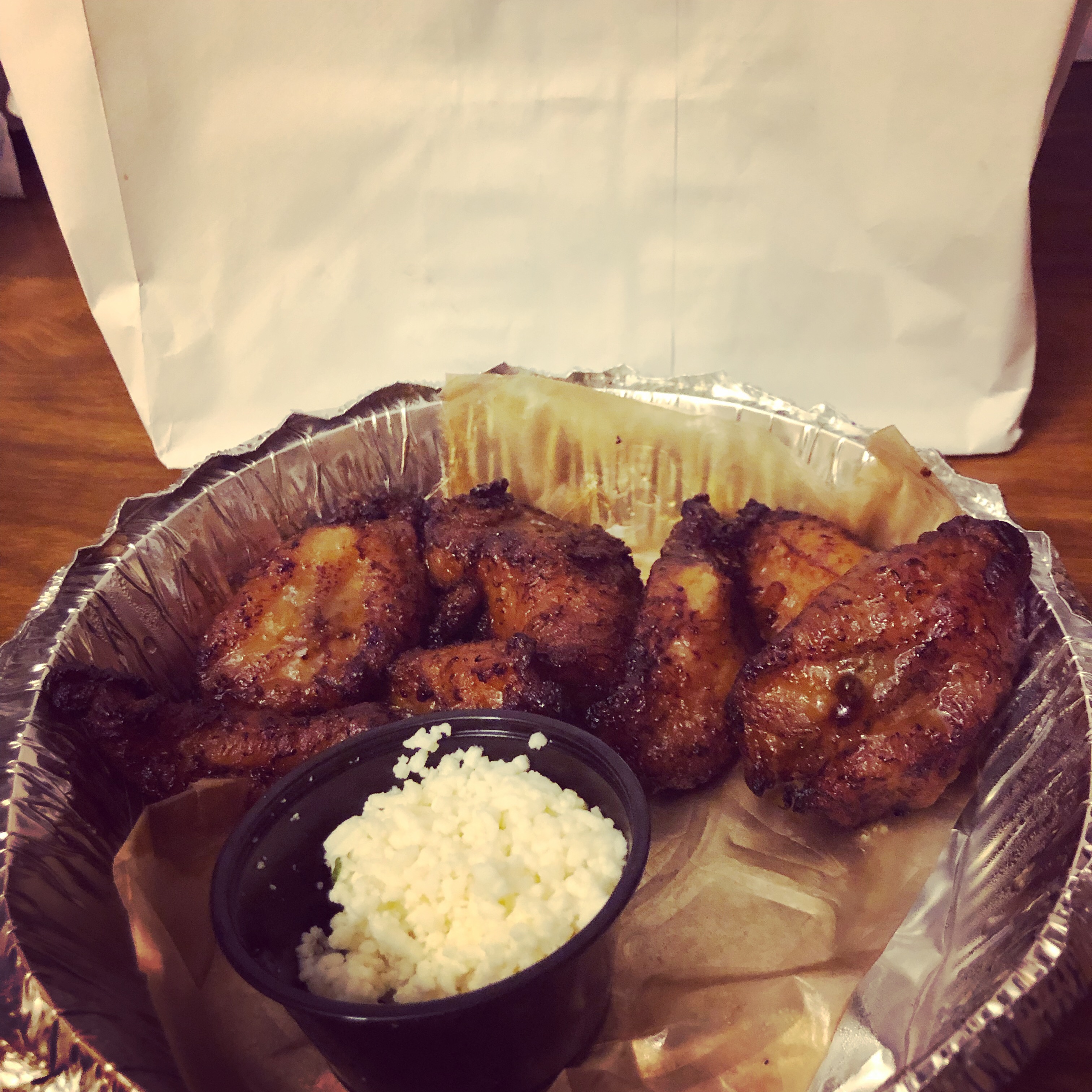
I forgot to mention, it took me two hours to visit these restaurants in one day… with the infamous ATL traffic smh. I got in my Chevrolet Cruze and drove from Auburn Ave to Rockbridge Rd. ALLLLLL the way in Stone Mountain, GA. I got these plantains from a Nigerian restaurant, The African Grill, located on 3965 Rockbridge Rd. With tax, my total was $3.31. For this small amount, they wouldn’t let me pay with card. Cash only. I’m not a fan of hard fried plantains but these were okay. It wasn’t sweet, I’m guessing green plantains were used, and it was hot. I only had issues with the flavor and the texture. The flavor tasted a bit like the smell of propane and they were super dry. If I had to add my opinion to the Jamaican vs. Nigerian plantain debate… I would totally go with Jamaican.

source: gfycat.com

Design a site like this with WordPress.com
Get started